Learn before increasing action
Take a moment to identify the controls, shot options, target feedback, and any displayed costs. Begin at a level that stays within your preset limit; do not raise it to chase a result.
Royal Fishing is a fishing-style arcade game in which players focus on targets, shot choices, and how quickly each action uses the available play budget. Its appeal is active decision-making rather than simply watching a reel spin.
The practical answer is to learn the controls first, keep each shot affordable, and treat any advertised return figure as unconfirmed unless the current game information clearly states it. Start with the basics below, then decide whether this pace suits you.
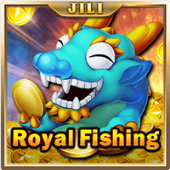 Royal Fishing
The title belongs to the fishing category. Expect an arcade-like loop built around choosing targets and managing the cost of repeated actions. Exact rules, controls, target values, and available modes can vary, so check the live game interface rather than assuming a particular feature is present.
For a calmer first visit, observe the interface before committing to a longer session. If you want to compare a different risk-step format, read the Tower decision guide and note how its decision rhythm differs from an active fishing game.
RTP, when supplied by a provider, is a theoretical long-run measure across a large number of game events. It does not predict the result of a single shot or promise that a particular player will recover a chosen amount. Fishing games also have action costs: shot strength, target selection, and the length of a session can change how quickly a balance is used, even when a published return figure exists.
To assess Royal Fishing responsibly, look for the current in-game rules or provider information that identifies the RTP basis and applicable game mode. Check whether different weapons, targets, rooms, or bonus features use separate conditions. If the rules do not present a clear figure, record it as unavailable rather than inventing a percentage. A jackpot label is not proof of a guaranteed prize or a predictable payout schedule.
Prefer game rules or provider information over an unsourced chart, forum post, or promotional headline.
A long-run percentage is not a forecast for a short session. Track spending and results independently.
Check qualifying actions and conditions. Never assume a prize is progressive, active, or due without clear rules.
These checks are useful for any fishing game, but they matter especially when fast action makes it easy to lose track of repeated costs. Choose a fixed entertainment limit before playing and stop when it is reached, regardless of recent results.
Before opening the game, decide what a satisfactory session looks like: perhaps learning the controls for a short time, or simply seeing whether the arcade pace feels comfortable. A clear purpose helps prevent a casual test from turning into an unplanned spending session.
Take a moment to identify the controls, shot options, target feedback, and any displayed costs. Begin at a level that stays within your preset limit; do not raise it to chase a result.
Set a time reminder and a maximum spend before you begin. Pause if decisions start to feel rushed, and leave when either limit is reached.
A game can be engaging without being a source of income. Outcomes are uncertain, and no target pattern, timing routine, or sequence of shots can guarantee a reward. If the session stops feeling enjoyable, close it and take a break.
Royal Fishing may suit an adult player who prefers an interactive, target-focused format and is comfortable making repeated decisions. It may be less suitable for someone seeking a quiet, slow-paced experience, someone who finds rapid feedback stressful, or anyone who cannot keep to a firm spending boundary. The best fit depends on personal preference, not a promise of winning.
If you are comparing fishing titles, use the same questions for each: are costs visible, are controls easy to understand, and can you stop comfortably? Money Coming offers a different game format to consider; compare its presentation without assuming that either title has a predictable outcome.
These fishing titles are shown with their listed names and icons. Select a title to continue through the site's game path; availability and rules may differ.
Rather than picking a game because of a dramatic prize claim, compare features that you can verify. These criteria help make the choice more informed, while keeping the uncertainty of game outcomes in view.
Can you identify the controls, costs, and conditions before taking action? If not, pause and find an explanation in the game itself.
Choose only a pace that fits a fixed entertainment budget. Frequent actions can make small costs accumulate quickly.
Look for current, specific rules and transparent terms. A broad promotional claim is not a substitute for game documentation.
Select an experience that remains enjoyable at low stakes and does not depend on recovering a loss or reaching a reward.
For account and platform checks before you play, read the Game demo safety guide. Apply its practical checks to links, account access, and device security, then make a separate decision about whether this game suits you.
A checklist cannot change chance, but it can keep decisions aligned with your intentions. Take a break whenever you need one.
Treat this game as entertainment with uncertain outcomes, not as an investment or a reliable way to earn money. Set limits while calm, do not borrow to play, and avoid trying to win back previous losses. Consider taking a break or seeking support if play begins to affect your mood, finances, or relationships.